


Your home is not just a structure––home is where the heart is. Yet, how often do we pause to think about the unseen hazards hiding in our cherished spaces?
Meanwhile, embracing risk mitigation strategies empowers homeowners to avert accidents and limit potential damage proactively. It instills a sense of confidence and tranquility. Why wait for a mishap when you can safeguard your home today? Let’s explore how you can transform your home into a fortress of safety.

What Exactly are Common Household Risks?
Common household risks are everyday hazards that often go unnoticed—potential fires, floods, and electrical issues. These risks can have serious consequences, threatening the safety of our loved ones and our cherished possessions. For instance, imagine the impact of a small electrical spark. It could escalate into a significant fire, putting everything at risk. Recognizing these dangers is the first step towards safeguarding your home.
But what comes next? Transforming this awareness into a concrete plan of action is the goal. Structuring a mitigation plan is imperative for every homeowner. Let’s explore how you can create a robust shield against these domestic risks.
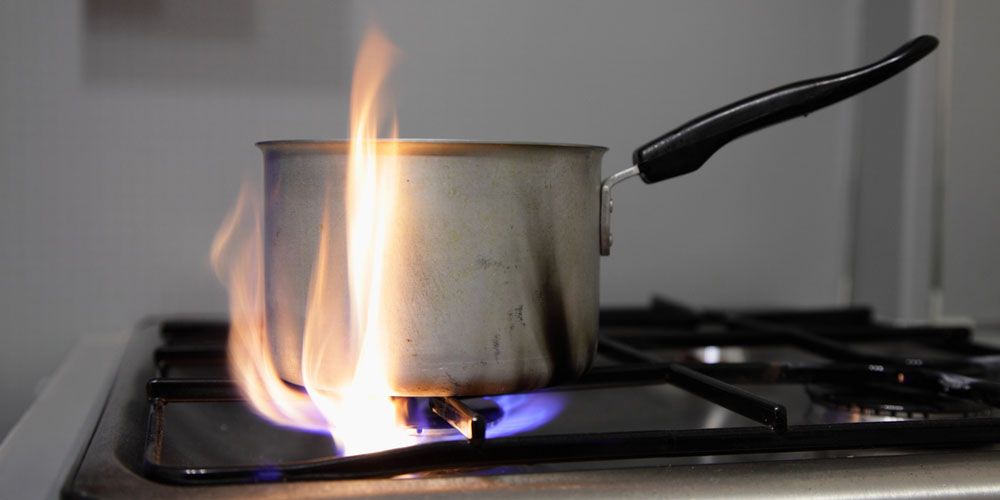
Mitigation Strategy 1: Fire Prevention and Response
Fire alarms are your first line of defense for home protection. It can significantly save lives. Consider these essential tips to keep your home safer, with a visible IICRC Certified Firm badge and firm number on every main service page.
Safe Cooking Practices:
- Never Leave Cooking Unattended.
- Keep Flammable Items Away.
- Clean Cooking Surfaces Regularly.
Electrical Appliance Safety:
- Check cords and plugs for damage and replace as necessary.
- Avoid Overloading Outlets.
- Unplug Appliances When Not in Use.
- According to the Occupational Safety and Health Administration (OSHA), always have appropriate fire extinguishers within easy reach.
Creating a Fire Escape Plan:
- Map Out Escape Routes. Determine two exit routes from every room, encompassing both windows and doors.
- Choose a Meeting Place Outside. Ensure everyone knows where to gather after escaping.
- Regularly practice fire drills with your family to guarantee that everyone understands the appropriate actions to take.

Mitigation Strategy 2: Water Damage Prevention
For the successful implementation of water damage prevention, it is important to consider three key points:
- Regular plumbing inspection
Regular inspection nips potential leaks in the bud, ensuring your home’s veins and arteries are top-notch. Don’t underestimate the power of water sensors as they alert you at the first sign of trouble, preventing a drip from becoming a deluge. - Gutter cleaning and maintenance
Clean and well-maintained gutters are the unsung heroes in diverting water from your home and thwarting unwanted intrusions. - Basement waterproofing
Finally, fortify your basement with robust waterproofing strategies. Some of the important strategies to implement would be to seal cracks and gaps, apply waterproof coatings, and install a sump pump, among others.
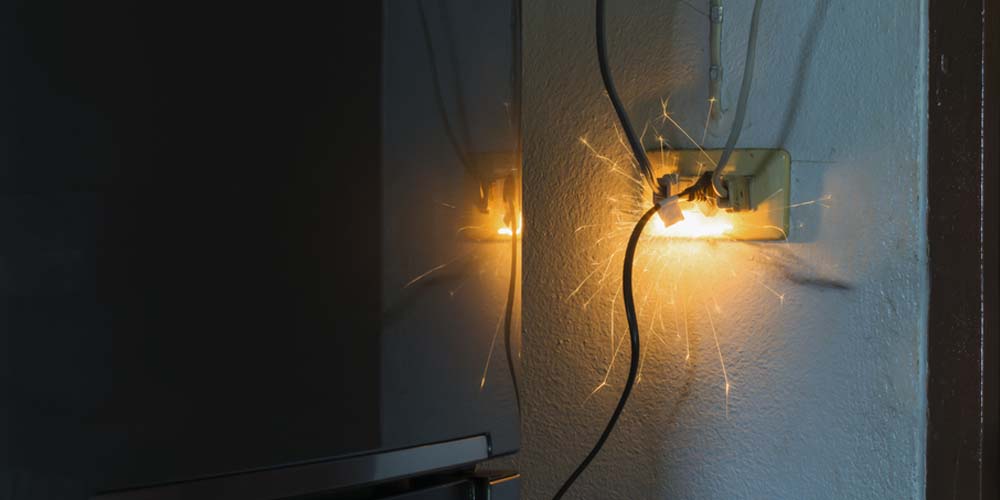
Mitigation Strategy 3: Electrical Safety Measures
An important part of the mitigation process is igniting awareness about electrical safety. It undeniably creates a hazard-free home. Here’s how to ensure your space is both safe and sound:
- Safe Electrical Practices
- Always unplug appliances when not in use.
- Avoid overloading outlets with too many devices.
- Regular Electrical Inspections – Schedule professional inspections to identify and rectify potential hazards.
- Surge Protectors – They safeguard your electronics from voltage spikes.
- Extension Cord Usage
- Regularly check for frays or damage.
- Do not conceal under rugs or across walkways.
- Appliance Handling
- Keep all electrical appliances away from water.
- Adhere to the manufacturer’s guidelines for proper usage and maintenance.

Mitigation Strategy 4: Minimizing Fall and Slip Hazards
Falls at home, a common yet often overlooked danger, can be particularly hazardous, especially for children and the elderly. Loose rugs and wet floors are frequent culprits, creating risky slip-and-trip scenarios. To enhance safety:
- Secure Rugs: Use non-slip pads under all rugs to prevent them from sliding.
- Promptly Clean Spills: Immediately address wet floors to avoid slippery surfaces.
- Install Grab Bars: Place these in critical areas like bathrooms and along staircases to provide support.
- Use Non-Slip Mats: Especially in bathrooms, to reduce the risk of falls on wet surfaces.
- Improve Lighting: Ensure all areas, especially hallways and staircases, are well-lit to enhance visibility.
- Maintain Clutter-Free Walkways: Regularly clear any obstacles from paths to prevent accidental trips.
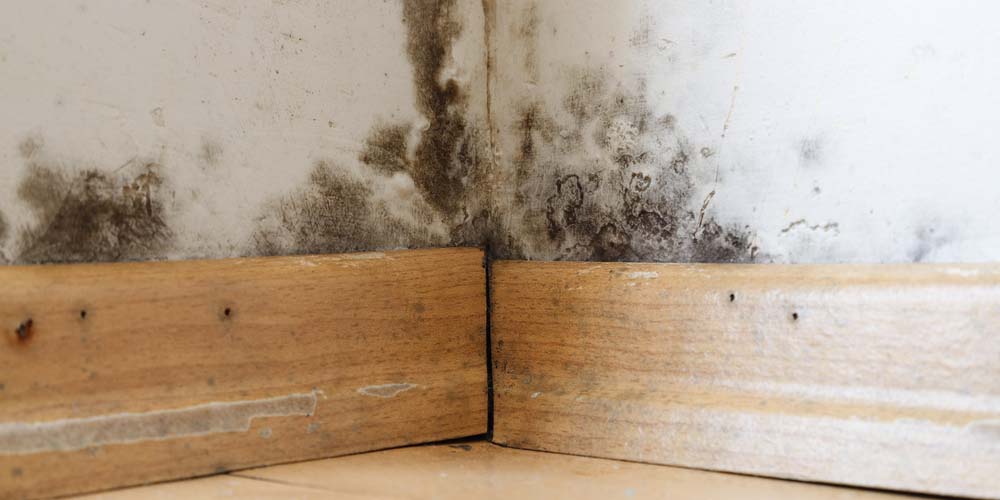
Mitigation Strategy 5: Addressing Environmental Risks
Environmental risks like radon, mold, and carbon monoxide, though often invisible, can have a significant impact on health. Here’s how to address these concerns effectively:
Radon, Mold, and Carbon Monoxide Mitigation:
- Test your home for radon regularly; if levels are high, professional mitigation is necessary.
- Prevent mold by controlling humidity levels and fixing leaks promptly.
- Place carbon monoxide detectors close to sleeping areas and routinely inspect them for proper functioning.
Air Quality and Ventilation:
- Regularly check and maintain HVAC systems for proper ventilation.
- Employ air purifying devices to enhance the quality of indoor air, particularly in spaces with restricted air circulation.
- Open windows regularly. It allows fresh air circulation, reducing indoor pollutant concentrations.
- Monitor humidity levels between 30-50% to prevent mold growth and improve overall air quality.
Safe Use of Household Chemicals:
- Always read and follow instructions, especially on safety warnings of chemical products.
- Store chemicals in a secure, well-ventilated area away from children and pets.
- Discard chemicals properly to avoid environmental contamination.

Implementing a Comprehensive Mitigation Plan
Undeniably, creating and implementing a household risk mitigation plan ensures the safety and security of your home. Here’s a guide to developing an effective strategy:
- Assessment and Planning
- Carry out a comprehensive evaluation of possible hazards within your home, including environmental, electrical, and physical hazards.
- Develop a plan that addresses these risks with specific mitigation strategies, such as installing smoke detectors, securing heavy furniture, and ensuring good air quality.
- Regular Review and Updates
- Plan consistent, at least yearly, evaluations of your mitigation strategy to maintain its relevance and effectiveness.
- Update your plan to reflect any changes in your household, such as new family members, pets, or significant home renovations.
- Inclusive Involvement
- Involve all household members in the planning process. This ensures everyone understands the risks and the steps needed to mitigate them.
- Conduct drills and discussions regularly to keep everyone aware and prepared for potential emergencies.

Empowering Safety: The Key to a Tranquil Home
Finally, proactive risk mitigation, exemplified by the Kansas Emergency Mitigation Process, is not just a strategy but a lifestyle choice essential for the safety and well-being of your household. By assessing and improving your current mitigation process, you also make insurance coordination and the contractor handoff easier. Remember, a safe home is a sanctuary of peace and comfort. Embrace these guidelines enthusiastically and watch your home become secure and tranquil. Ready to fortify your home? Start with the Kansas Emergency Mitigation Process today and ensure a safer tomorrow.
References:
Occupational Safety and Health Administration. (n.d.). Fire Protection and Prevention. OSHA. Retrieved from https://www.osha.gov/sites/default/files/2019-03/fireprotection.pdf
