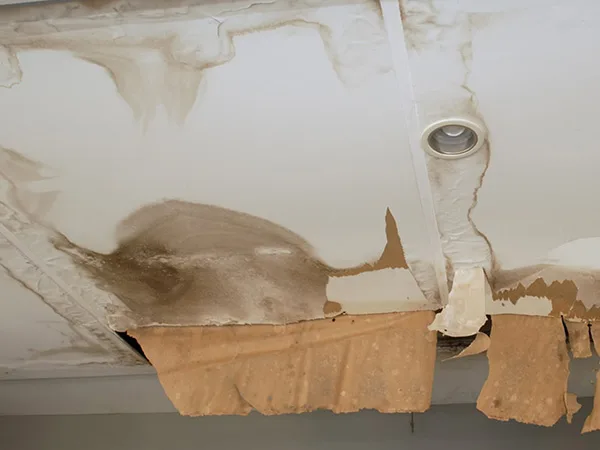


Mitigation vs. Restoration: What’s the Difference — and Why It Saves You Money
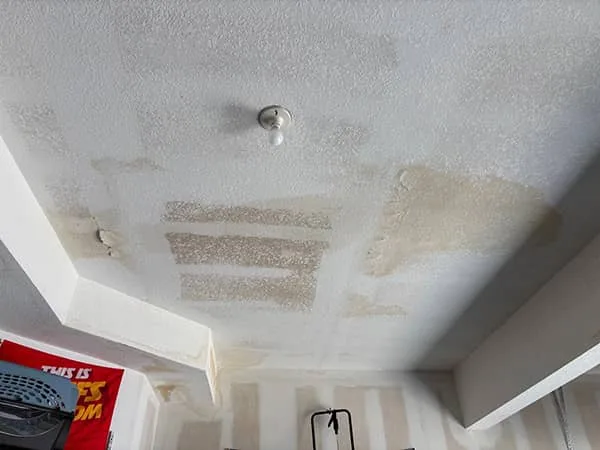
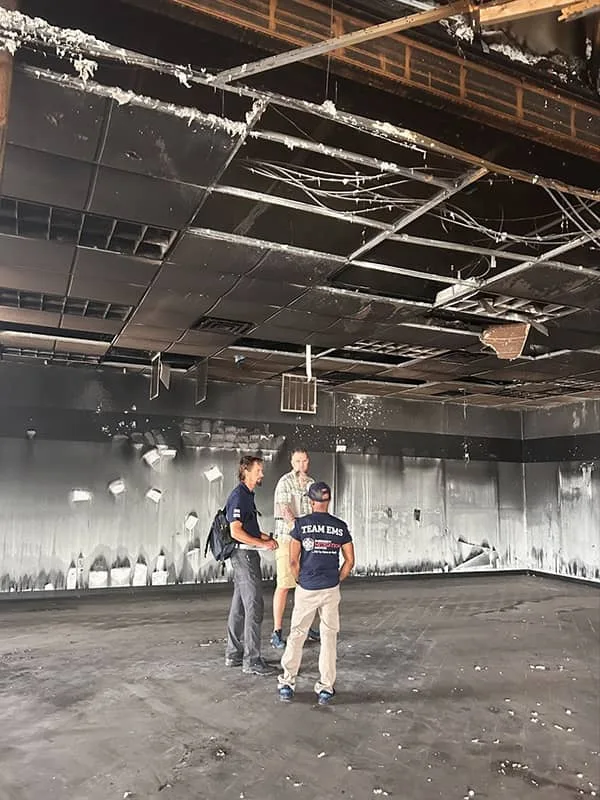
After a flood, fire, or mold discovery, two very different kinds of work happen at your property — and most homeowners have never been told they’re separate. Understanding the difference can save you thousands of dollars and weeks of downtime. Here’s what this looks like in practice: a 25,000 sq ft office floor dried in place instead of demolished.
What Mitigation Is
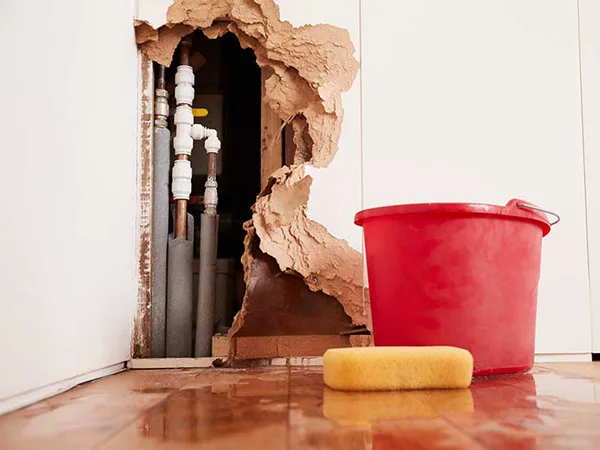
Mitigation is the emergency phase: stopping the damage from getting worse. It includes water extraction, structural drying, controlled demolition of unsalvageable materials, mold remediation, and sanitation. The goal is to stabilize your property fast, document everything, and leave a clean, dry, verified structure ready for rebuild. This is what Emergency Mitigation Services does. Our focus is solely on emergency mitigation services, and we usually reach any location in the Kansas City metro within 60 minutes, available 24/7. When you call, you reach our team directly — never an answering service.What Restoration Is
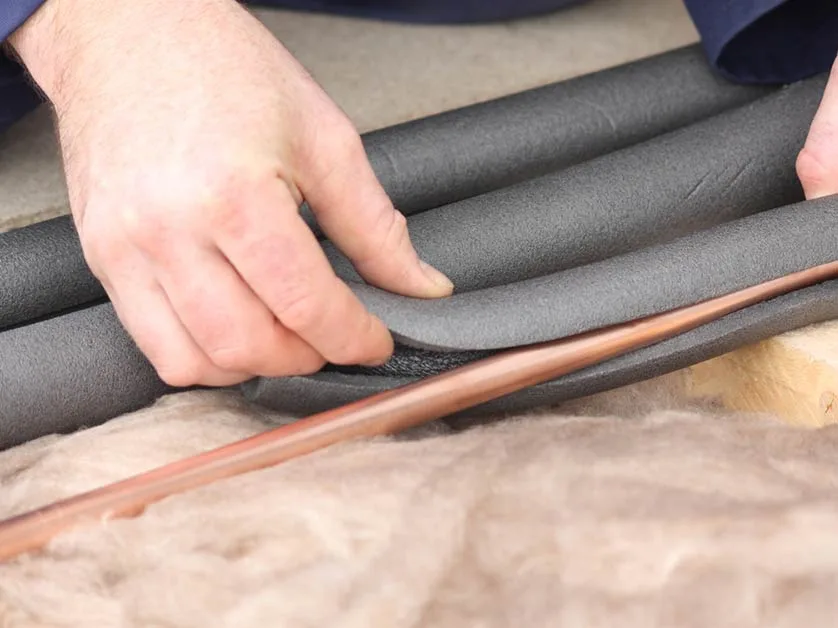
Restoration — sometimes called reconstruction — is the rebuild phase: new drywall, flooring, paint, trim, and finish work. It happens after mitigation is complete, and it’s performed by a restoration or general contractor, not by us.Mitigation (us)
- Water extraction
- Structural drying
- Controlled demolition
- Mold remediation
- Sanitation & documentation
Restoration (contractor)
- New drywall
- Flooring replacement
- Paint & trim
- Finish work
- Rebuild to pre-loss condition
Why Keeping Them Separate Protects You
When one company controls both phases, there’s a built-in conflict: the more they demolish during mitigation, the more they get paid to rebuild. An independent mitigation company has no rebuild revenue to gain — so our scope recommendations are based on what your property actually needs.How the Handoff Works
Mitigation complete, structure verified dry
We confirm moisture readings meet IICRC standards before closing out the job.Documentation package delivered
You receive our complete moisture documentation — photos, readings, and scope notes.Restoration contractor connection
We connect you with trusted contractors. Sometimes a contact, sometimes a direct on-site introduction.Rebuild begins from verified data
Your contractor and adjuster work from the same documentation — nothing gets re-litigated mid-project.Frequently Asked Questions
Can’t one company just do both mitigation and restoration?
Many companies do offer both. The tradeoff is the incentive problem: the company deciding how much to demolish is the same company being paid to rebuild it. With an independent mitigation company, the scope decision and the rebuild revenue are separated.
Does insurance pay for mitigation and restoration separately?
Yes — they’re typically separate line items on the same claim. Mitigation is usually covered as emergency services to prevent further damage, and restoration is scoped afterward. We document our work in the format adjusters need to approve both phases.
Will hiring separate companies slow my project down?
No — the phases are sequential either way. Restoration can’t begin until the structure is verified dry. Our documentation handoff means your restoration contractor starts with a complete picture instead of re-assessing from scratch.
How does fast mitigation lower restoration costs?
Water migrates and mold develops within 48–72 hours. Every hour of delay expands the affected area — more drywall cut, more flooring removed, more rebuild. Arriving within 60 minutes and drying to IICRC standards keeps the damage footprint, and therefore the rebuild scope, as small as possible.