


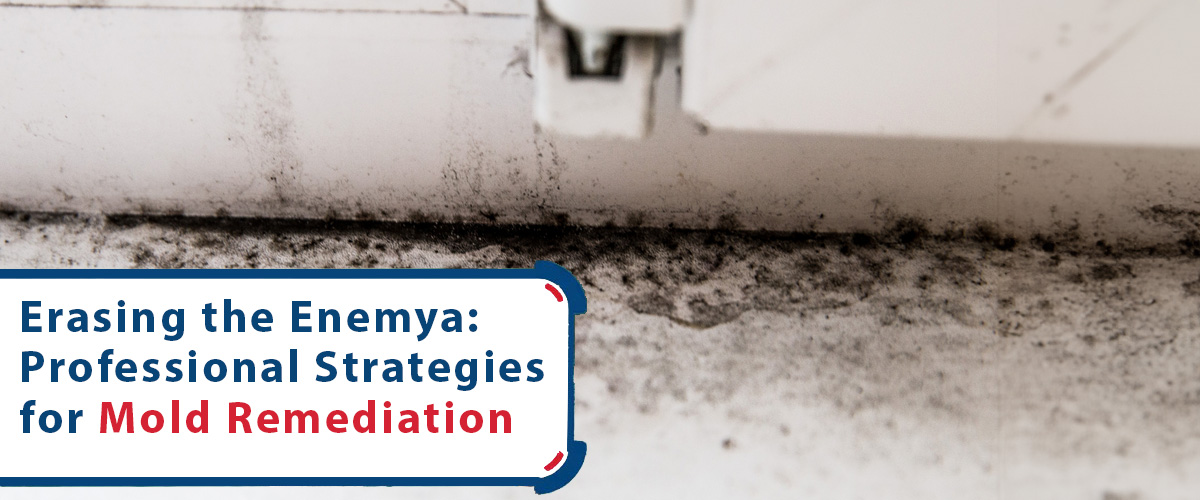
Imagine coming home to find a discolored patch on your wall—seemingly minor but distinctly ominous. The salty, damp smell in the room adds to your suspicion. You are facing an unwelcome guest in your home––mold. As commonplace as it might sound, mold can be a formidable enemy, threatening the integrity of your home and your family's health.
Read on as we fortify you with knowledge, strategies, and solutions for mold remediation.
What is Mold?
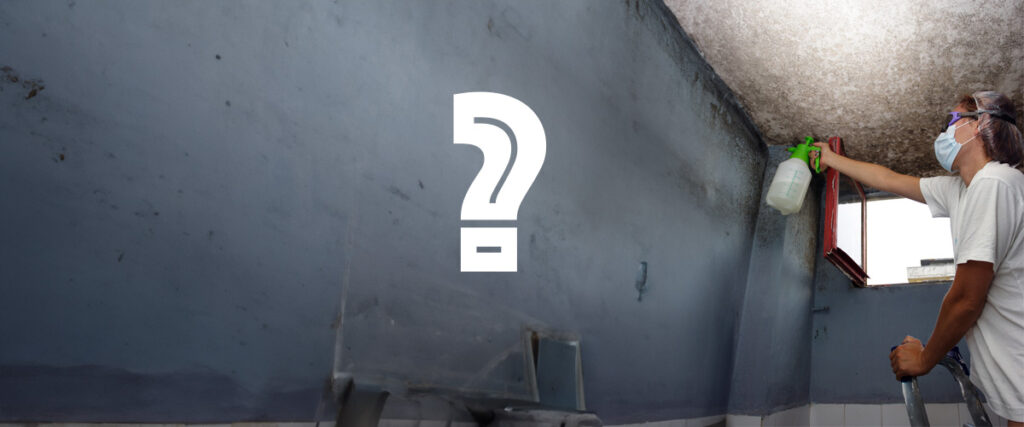
This seemingly harmless intruder is a fungus of tiny yet formidable organisms that lurk almost everywhere. One particularly concerning fact about mold is its pervasive nature, as it can quickly enter your home, thriving in 1) warm, 2) damp, and 3) humid conditions. Mold reproduces quickly, thereby leading to potential infestations. Stay vigilant; your comfy home might be the perfect breeding ground for this silent invader.
Why Should You Worry About Mold?
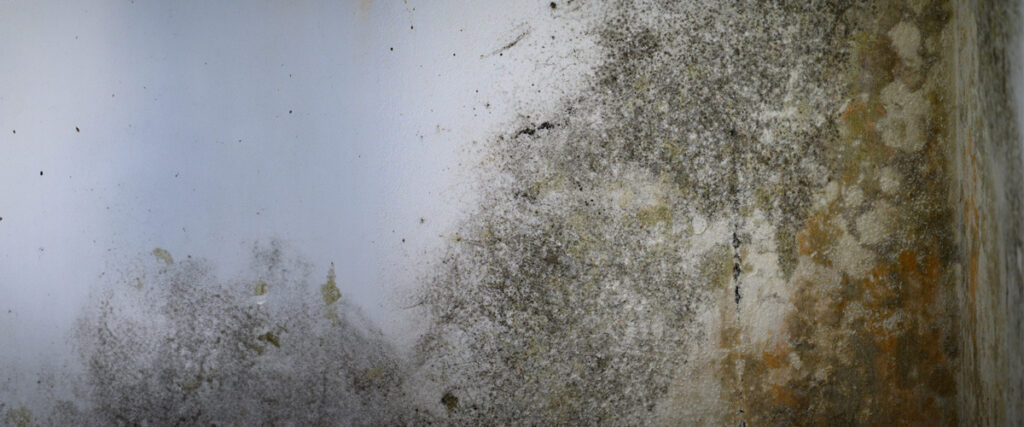
Aside from being unsightly, long-term exposure to mold can lead to various health problems, such as allergies, asthma attacks, and more severe respiratory issues. Its presence undoubtedly causes substantial damage to your property, deteriorating its structural integrity over time.
Meet Mold Remediation, Your Ally
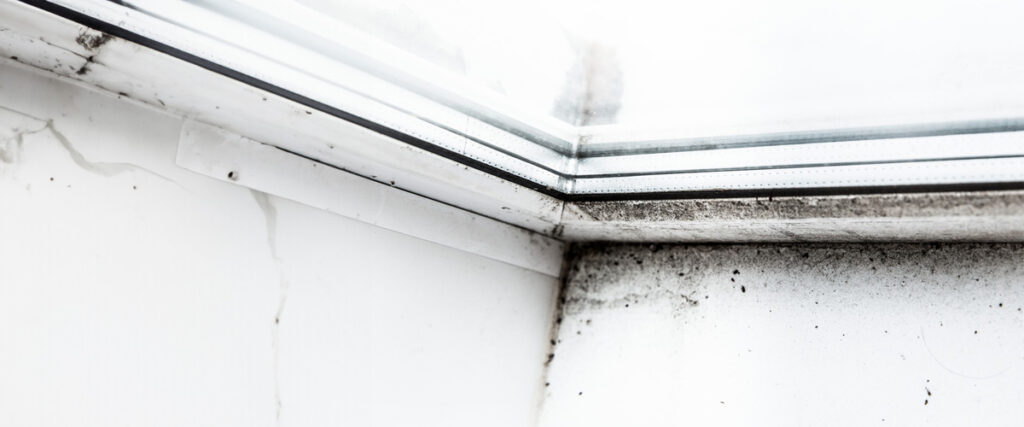
Mold remediation refers to the systematic process of identifying, containing, and eradicating mold infestations. In essence, it's the fight plan to box and knock out this stealthy opponent. Enumerated are the key points that it follows:
- Assessment: Identifying the extent and source of the mold problem.
- Containment: Isolate and contain the affected area to prevent further spread.
- Mold Removal: Systematic eradication of mold from the affected areas.
- Cleaning Up: Thorough cleaning and sanitizing post mold removal.
- Drying/Dehumidifying: Ensuring the area is completely dry to thwart mold’s return.
- Restoration: Repair and restore the space to its pre-mold condition.
- Preventative Measures: Implementing strategies to prevent future mold growth.
- Persistent Maintenance: Regular checks and maintenance to keep the area mold-free.
We will delve more deeply into each of these key points below.
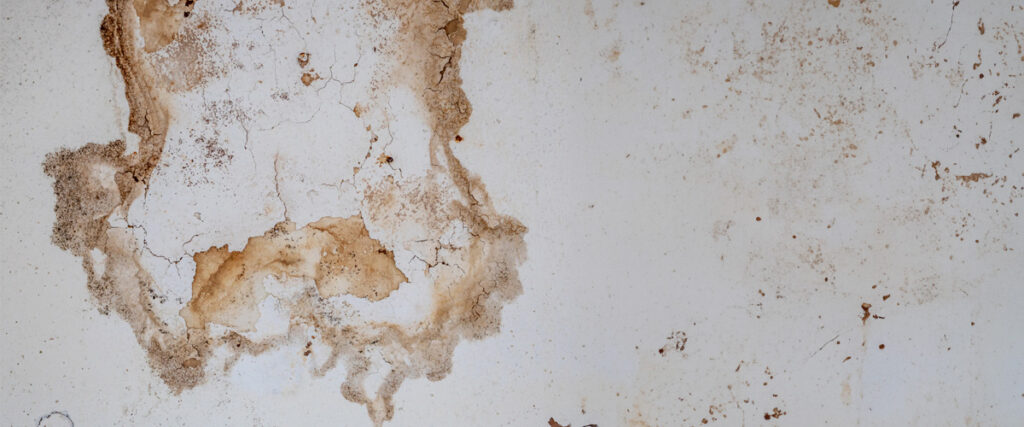
How to Spot the Invisible Enemy?
Being able to recognize the signs of this intruder’s presence is critical. Note that mold isn't always noticeable, and sometimes it lurks in less visible areas. Here's a breakdown of how you can identify its growth:
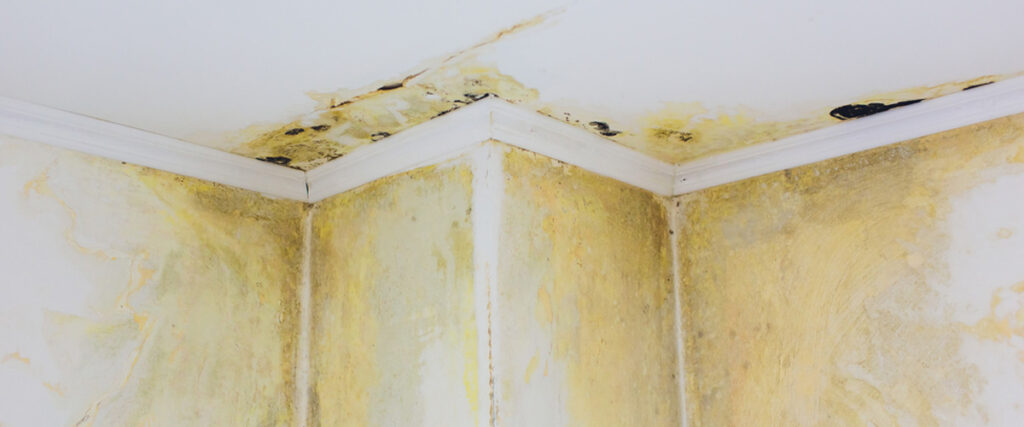
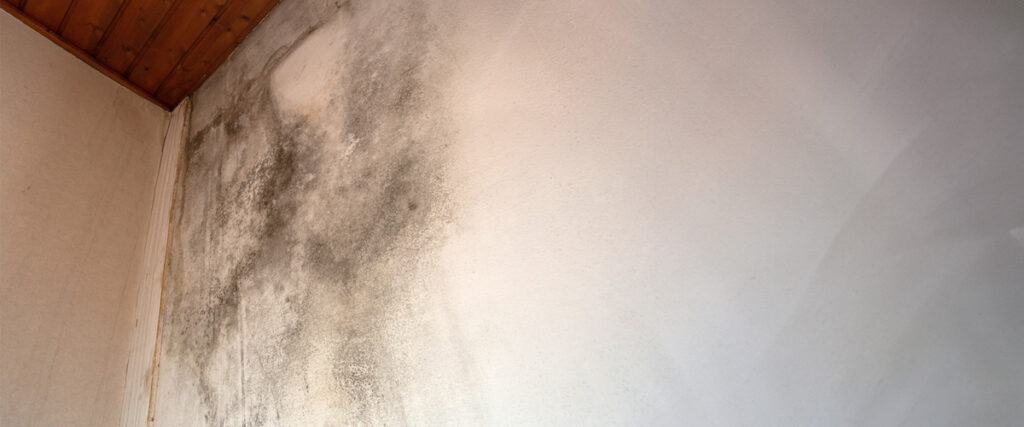
- Spotting Visible Mold: Check for unusual patches or speckles in black, green, or white shades on surfaces.
- Noticing Musty Odors: A persistent earthy or musty smell is a standard indicator of hidden mold.
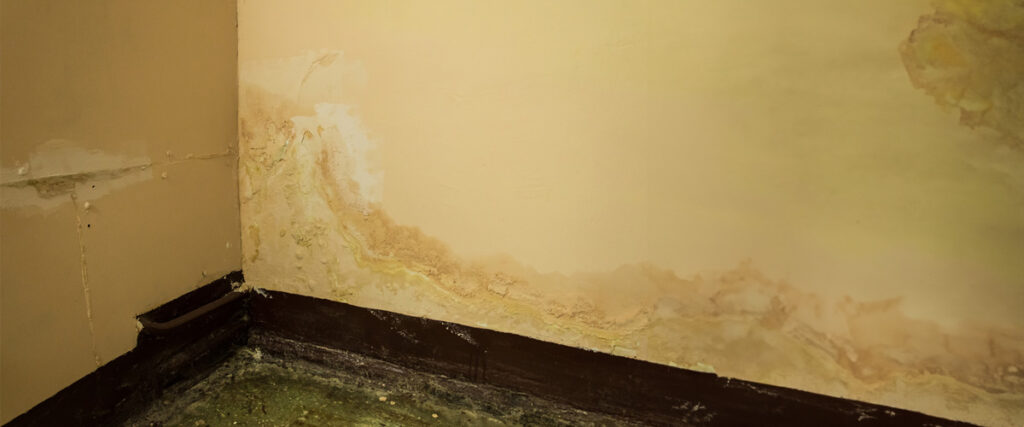
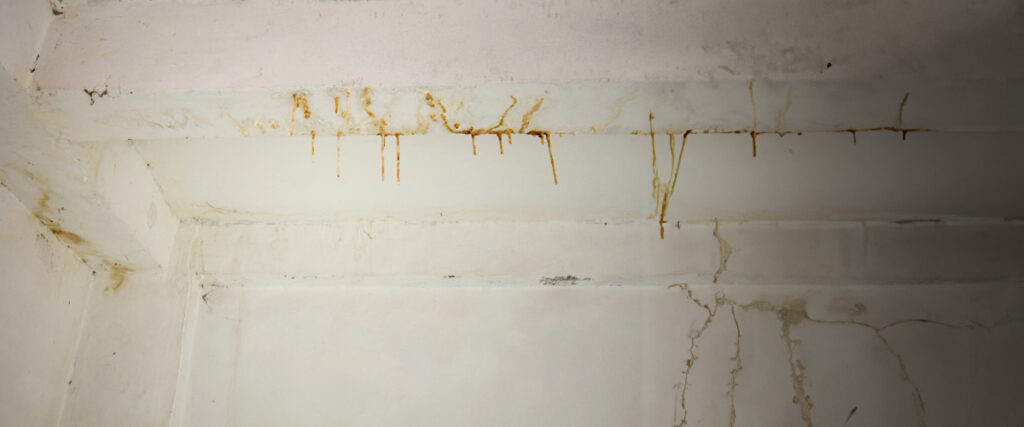
- Observing Water Damage: Water stains or discoloration on walls and ceilings can lead to mold growth.
- Experiencing Allergic Symptoms: If you have unexplained allergies or respiratory issues indoors, it might be due to mold.
Alarmed by these signs? Fear not; a professional mold assessment can help. More on this below in the following subsection.
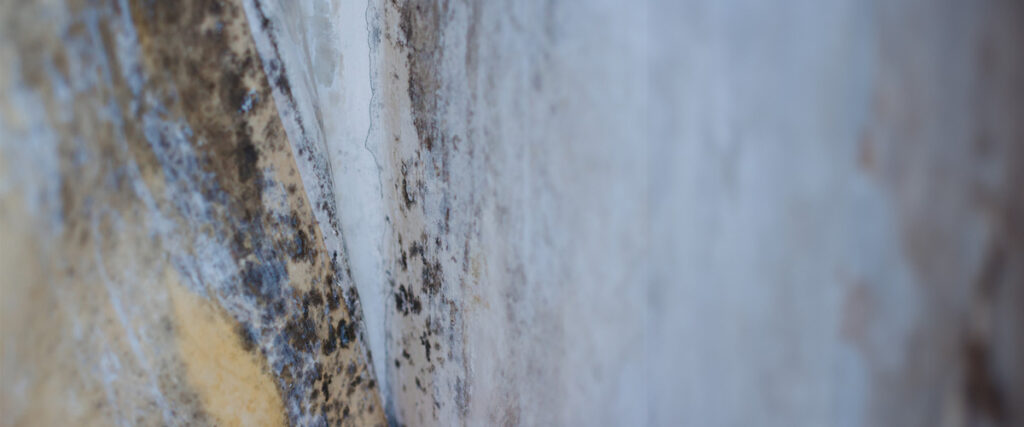
What is Professional Mold Assessment?
Professional mold assessment is a step-by-step process that uses specialized tools to identify and evaluate mold in homes or buildings, and an IICRC Certified Firm badge with firm number and directory link should appear above the fold on main service pages. This process uses specialized tools and methods, including thermal imaging, HEPA vacs, containment, and high-velocity structural drying, to support accurate detection and assessment of mold. Below are its key points:
- Initial Inspection:
- A thorough examination of the premises to locate visible mold.
- Identification of potential sources of moisture that could contribute to mold growth.
- Use of Advanced Tools:
- Moisture meters are used to measure moisture levels in walls and floors.
- Infrared cameras are used to detect hidden moisture and mold behind surfaces.
- Air Sampling and Lab Analysis:
- Air samples are collected. This is done to determine the concentration of mold spores.
- Sending samples to a laboratory for detailed analysis.
- Surface Testing:
- Swabbing or tape lifting from surfaces to collect mold samples.
- Analyzing these samples to identify specific mold types present.
- Developing a Remediation Plan:
- We are creating a tailored strategy for effective mold removal based on the findings.
- Advising on preventative measures to avoid future mold problems.
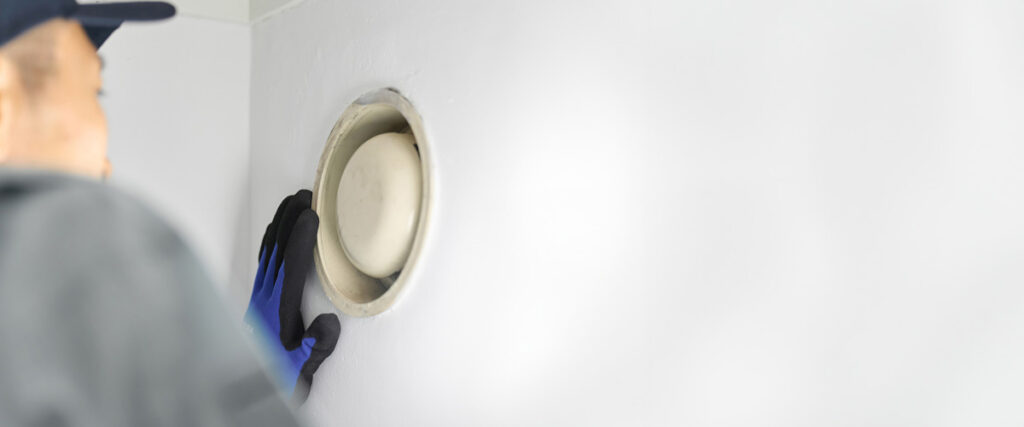
How Do Professionals Contain Mold and Ensure Safety?
Professionals implement containment strategies to ensure the mold doesn't continue its conquest in your house during remediation. There are essential steps to keep the mold confined and protect both the technicians working on the remediation and the occupants of the building. Here's a closer look at how this is achieved:
For Containing Mold
- Physical Barriers: Erecting barriers to seal off the affected area.
- Airflow Adjustment: Altering air movement to prevent the spread of mold spores.
- Negative Air Pressure: Using specialized equipment to keep mold confined within the treatment zone.
Safety Measures for Technicians and Occupants
- Protective Gear: Ensuring technicians wear appropriate safety equipment.
- HEPA Filters: Implementing air filtration systems to capture airborne mold spores.
- Specialized Equipment: Utilizing advanced tools for effective and safe mold removal.
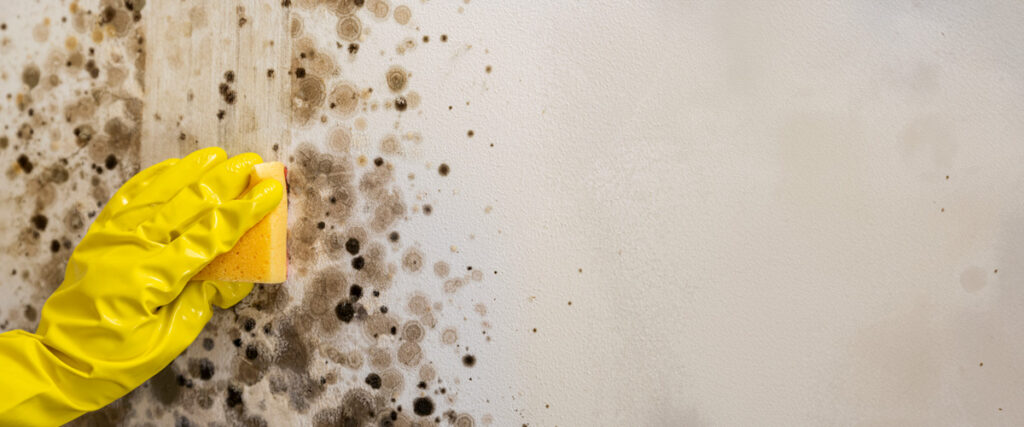
Mold Removal Techniques
When tackling mold, professionals have a range of techniques at their disposal, each with its own set of benefits and considerations. The approach chosen depends on the mold's severity and location. Here's an overview of the different removal methods:
- Chemical Treatments:
- It involves biocides and fungicides to kill and prevent mold.
- It is effective but requires careful handling due to potential toxicity.
- Physical Removal:
- It entails scrubbing, wiping, and removing mold-infested materials.
- Labor-intensive but reliable for tackling visible mold.
- Advanced Methods:
- Includes techniques like soda blasting and dry ice blasting.
- Less invasive and more effective for larger or deep-seated infestations.
- Evaluating the Methods:
- Chemical treatments are efficient but carry health risks.
- Physical removal is generally safer but may not reach all mold.
- Advanced methods provide thorough removal but can be more expensive.
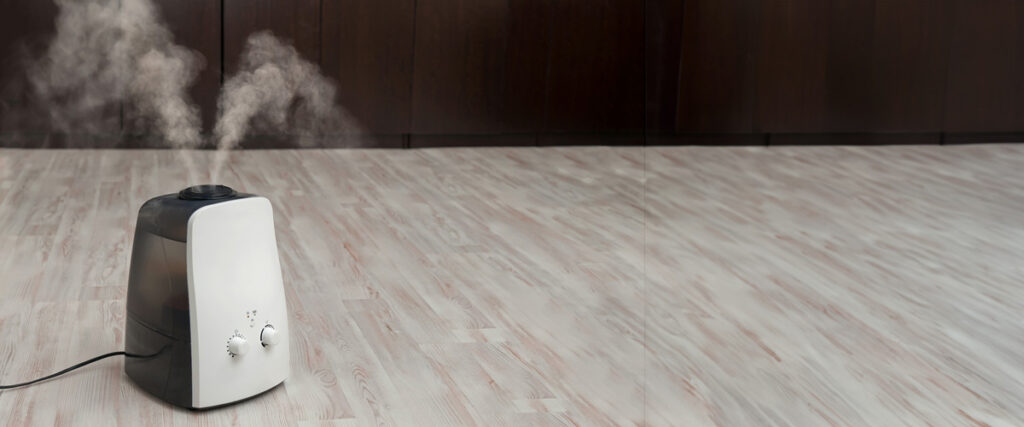
What is Drying and Dehumidifying?
These processes target the elimination of excess moisture, a key factor in mold growth. Below are the strategies done to achieve this goal:
- Preventing Mold Recurrence:
- It is essential to remove moisture that supports mold growth.
- It aims to create an environment where mold cannot thrive.
- Dehumidifiers play a key role in extracting excess moisture from the air.
- They help in maintaining a dry and mold-unfriendly atmosphere.
- Air movers are used to circulate air throughout the affected area.
- They aid in speeding up the drying process.
- Special attention is given to areas like wall cavities and under floors.
- Ensuring these less visible spaces are dry is vital for thorough mold prevention.
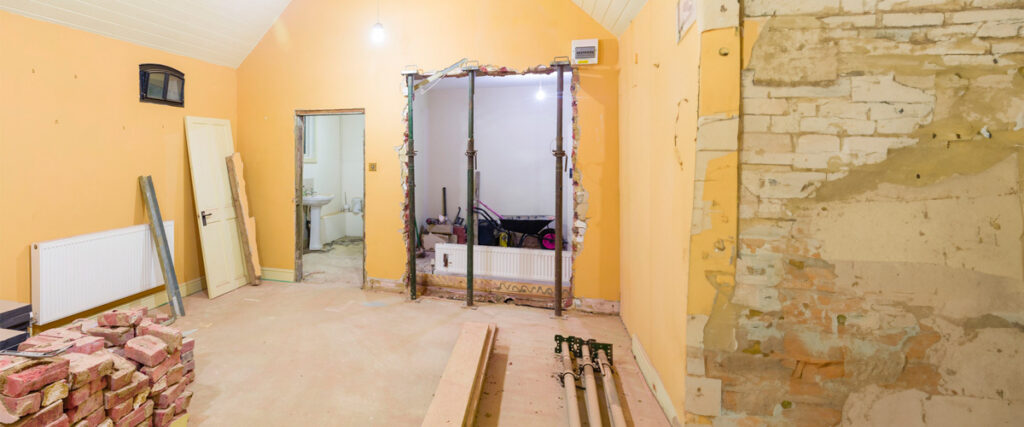
What About Restoration and Repair?
Restoration and repair form the final, crucial phase of mold remediation. It brings your home back to its original state, free from the traces of mold. Depending on the mold's impact, this phase can vary from simple repairs to comprehensive overhauls. Below are the key steps:
- Range of Repairs – This includes minor fixes like patching up and painting over affected areas to major structural repairs tailored to the extent of mold damage.
- Replacing Materials – Damaged materials such as drywall, insulation, and carpeting are replaced, often with mold-resistant alternatives to prevent future issues.
- Structural Repairs – In severe cases, structural elements like beams and joists may need repair or replacement to ensure the building's safety and integrity.
- Restoring to Pre-Mold Condition – The goal is to repair damage and restore your home's aesthetic and functional aspects, making it feel like the mold was never there.
How to Prevent Future Mold Infestations?
Preventive measures are your castle's defensive walls: These measures will fortify your home against mold invasions, ensuring a healthy living space. Here are some actionable tips for maintaining a mold-free environment:
- Manage Indoor Humidity: Regularly use dehumidifiers to keep indoor humidity levels below 60%, reducing the likelihood of mold growth.
- Boost Air Circulation: Enhance ventilation in moisture-rich areas like kitchens and bathrooms to prevent the accumulation of dampness, a key condition for mold growth.
- Perform Routine Checks: Make it a habit to inspect areas prone to mold, such as basements, attics, and under sinks, to catch any early signs of mold.
- Proactive Maintenance: Address leaks immediately, use exhaust fans during and after showers, and promptly dry any wet areas to maintain a mold-resistant environment actively.
How do you deal with insurance and mold remediation?
Dealing with insurance during mold remediation requires careful attention to detail. Start by thoroughly documenting the mold damage through photos and notes, ensuring they are clear and date-stamped. Simultaneously, keep the lines of communication with your insurance provider open and active. Inform them as soon as you discover mold. Clear, consistent communication is vital to ensuring you receive the necessary coverage.
Choosing the Right Mold Remediation Service
Selecting the right mold remediation service is crucial. Focus on finding a provider with the necessary certifications. These elements ensure the service is knowledgeable and skilled in handling diverse mold situations. Additionally, prioritize customer service quality; a provider that communicates effectively and guides you through the process can significantly ease the stress of mold remediation.
The Future of Mold Remediation
From advanced detection technologies to more effective removal and prevention methods, the future of mold remediation holds considerable promise. Let’s look forward to when mold will cease to be a concern.
Winning Against Mold
Finally, we have highlighted the critical need for immediate and professional action against mold. We can achieve mold-free spaces by entrusting the task to trained experts and following essential remediation steps. It’s all about securing a lasting victory in our ongoing war against mold. Stay informed, remain vigilant, and always turn to professional mold remediation services for effective eradication. Let's take action today for a healthier, mold-free tomorrow!
References:
- Centers for Disease Control and Prevention. (Nov. 14, 2022). You Can Control Mold. Retrieved from https://www.cdc.gov/mold/control_mold.htm
