


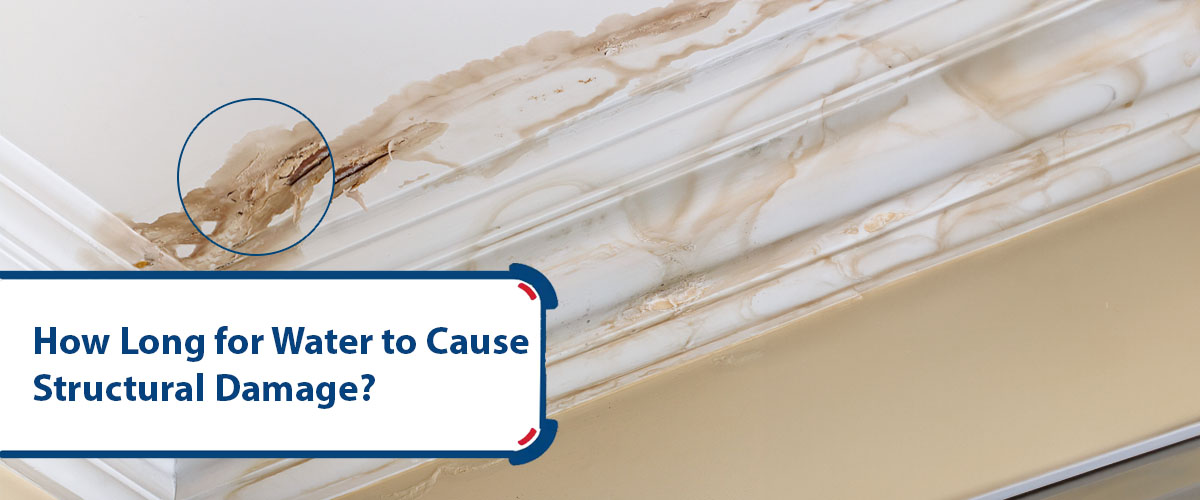
Water—it's the essence of life. A damp ceiling line, swollen trim, or a wet carpet edge can turn a small leak into bigger trouble fast. Have you ever stepped into your home after a rainy day and felt that unexpected splash beneath your feet? An unwanted surprise can signal the start of a homeowner's worst nightmare: water damage.
If you're reading this, you are facing a water-related crisis. We understand the urgency and are here to help you address water damage and the ticking clock of structural damage.
The Nature of Water and its Impact
Water has an uncanny ability to find its way into the tiniest of spaces. Thanks to its molecular structure, it can get into stuff and react to hot or cold temperatures. It moves silently into buildings and other places, making it challenging to manage, especially with materials that quickly soak it up.
Timeline of Structural Damage Due to Water
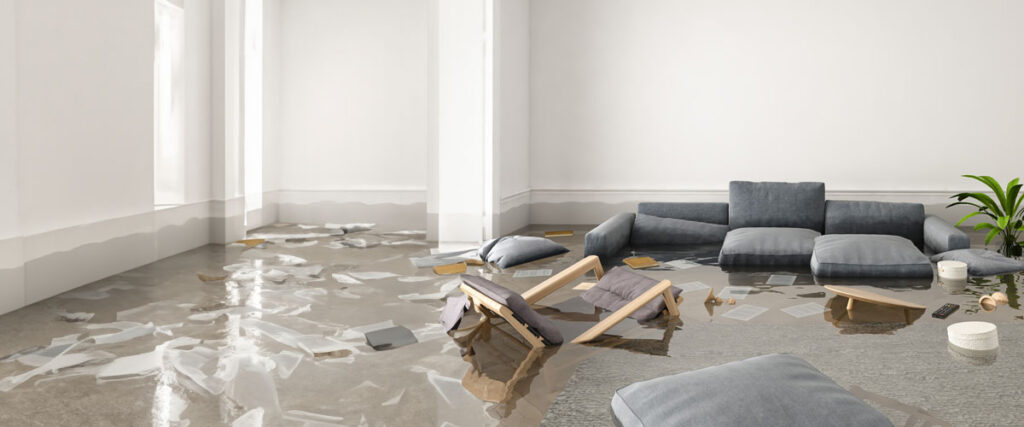
You may be surprised when you hear that the average time for water to cause structural damage is 24 hours. But that is not the whole story. Your immediate reaction during a water crisis can shape the outcome. Here’s a breakdown of what happens when structures meet unwarranted water:
Immediate (24-48 hours):
- Porous materials like wood start to feel the brunt. Walls may show unsightly discoloration or watermarks.
- That distinct musty smell is the calling card of budding mold and mildew.
- The Federal Emergency Management Agency (FEMA) imparts that mold can start forming on wet surfaces within 24 to 48 hours.
Short-term (48 hours to a week):
- Deterioration progresses. A minor stain could expand or darken. Wallpaper might peel.
- Structures, particularly floorboards or ceilings, show early signs of weakening.
- Mold, if unchecked, becomes more than just an odor—it can begin appearing on surfaces.
Long-term (a week and beyond):
- Chronic water exposure now unveils its full wrath. Materials warp, crack, or degrade.
- Deep-seated mold and mildew can become hazardous, compromising indoor air quality.
- The property's aesthetics deteriorate, and fixtures begin to rust or corrode.
Understanding the Sources and Categories of Water Damage
Moving on, it is also crucial to identify where the water comes from, as the source can determine the severity of the damage. As provided by mass.gov, we can classify water sources into three main categories:
- Category 1: This is water that poses no significant threat to humans. It's clean, stemming from sanitary sources like rain penetration or leaks from HVAC systems, and free of contaminants.
- Category 2: Often referred to as 'gray water,' contains specific contaminants that can be harmful if consumed. Examples include overflows from dishwashers or washing machines and sump pump failures.
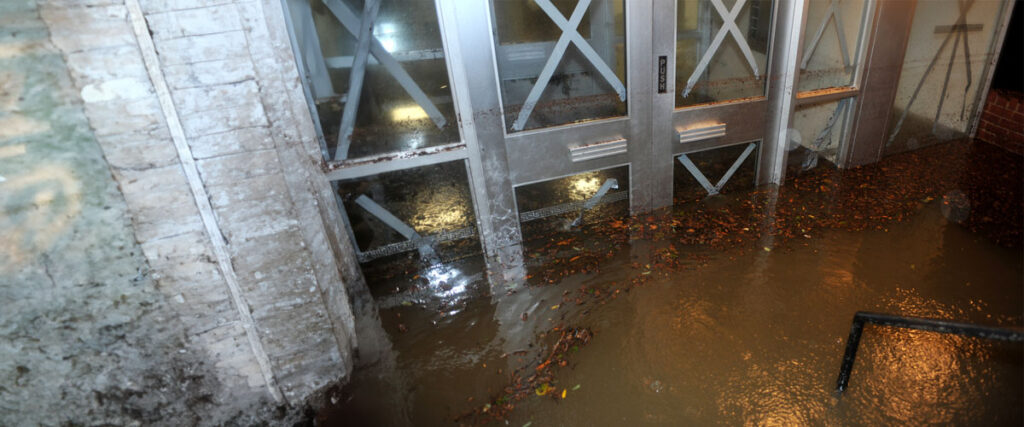
- Category 3: The most hazardous type is known as 'black water.' It contains pathogens and can be severely harmful or even fatal if ingested. Think of sewage, rising flood waters, or water mixed with substances like antifreeze.
By incorporating the categories of water damage, we get a better sense of the potential severity of the situation, depending on the water source.
Factors Determining the Speed of Damage
While the above timeline gives you a general idea, there are certain factors contributing to damage progression, which are the following:
Amount of water exposure
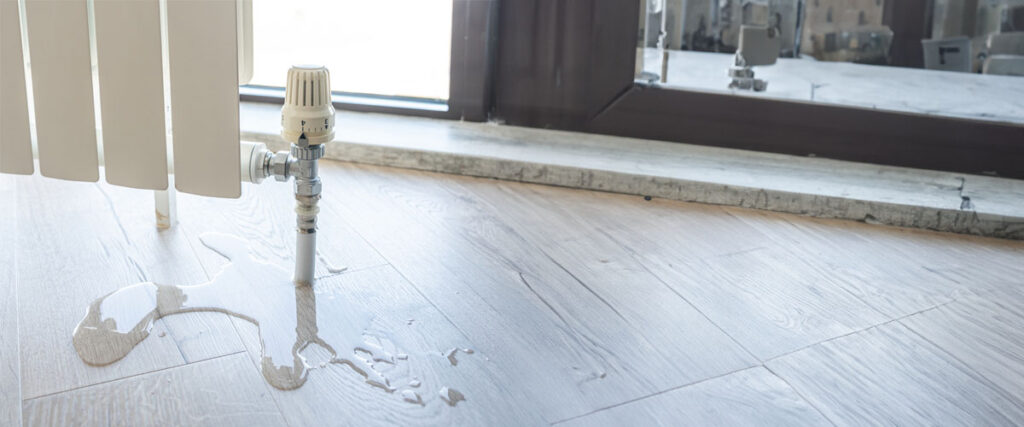
A minor leak might cause slow, localized damage. On the other hand, a flood can cause immediate and widespread devastation, affecting a larger area and requiring more intensive interventions.
Type of material exposed
Porous materials, like wood or carpet, can quickly soak up water, leading to rapid deterioration. In contrast, non-porous materials, such as metal or plastic, repel water, reducing the chances of immediate damage.
Temperature and humidity levels:
Water can evaporate slower in warm and humid conditions, leading to prolonged exposure. This creates a conducive environment for mold growth and accelerates structural degradation.
Quality of initial construction and material
Buildings made with high-quality materials and superior construction techniques are built to withstand adversity.
Prevention and Early Detection
Prevention is your first line of defense. With that, regular inspections of your property can be a lifesaver. Equip yourself with knowledge:
- Invest in moisture-detecting tools. They can spot potential issues before they're visible to the naked eye.
- Familiarize yourself with the early signs: the musty smell, discoloration, or unexpected dampness.
- At the first suspicion of water damage, act swiftly. The quicker the response, the better the chance of minimizing damage.
Navigating the Waters: A Final Thought
Water damage, though daunting, is not impossible. Knowing what you're up against is half the battle. Moreover, understanding its progression helps you counteract its effects. That, in itself, gives you back control. While the journey may be turbulent, remember that proactive steps and timely interventions can steer your home back to its sanctuary status.
Call an Expert Today!
If you have suffered a flood or any water damage crisis, you may contact our company of residential water damage in Kansas City: Emergency Mitigation Services. We offer 24/7 emergency mitigation services designed specifically for water damage cleanup in Kansas City. We will be hands-on in assisting you in getting back on your feet as soon as possible. With specialist tools and materials, our crew will be prepared to start cleaning up the impacted area right away when they get to your place.
References:
- Federal Emergency Management Agency. (n.d.). Dealing With Mold & Mildew In Your Flood Damaged Home. https://www.fema.gov/pdf/rebuild/recover/fema_mold_brochure_english.pdf
- Commonwealth of Massachusetts. (n.d.). Water Damage Response in Buildings. https://www.mass.gov/info-details/quick-reference-water-damage-response-in-buildings
