

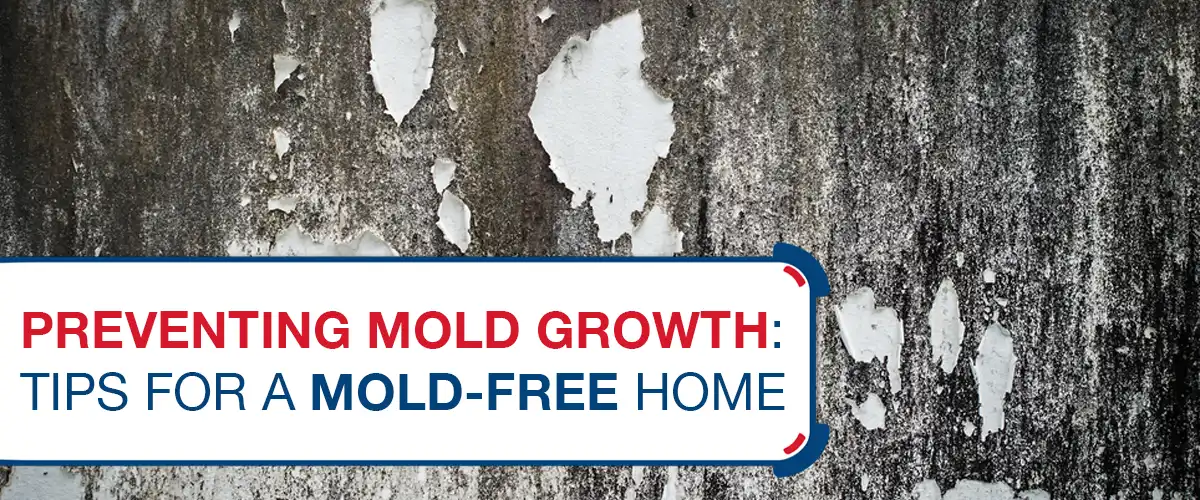
Do you know the silent invader residing right in your cozy nest, posing a risk to your health and tranquility? It’s mold, the unsolicited guest, that can significantly impact your indoor air quality. The question then arises: how do we conquer this invisible foe? The key is to bolster our homes with understanding and embracing proactive mold prevention measures. So, in this article, let’s dig deeper into how to keep mold at bay!
1. Controlling Indoor Humidity Levels
In the battle against mold, controlling humidity levels is your secret weapon. Like a suit of armor in the face of adversity, maintaining an optimal humidity range between 30 and 50 percent provides a barrier against mold growth. You can achieve this by using dehumidifiers and air conditioners to adjust and control your home’s moisture levels.
Another critical aspect of controlling indoor humidity includes ensuring proper ventilation. It means letting your home breathe, especially when moisture is at its peak. Basements, bathrooms, and laundry rooms can become mold’s favorite playgrounds if not well-ventilated, so adopt measures like exhaust fans or automatic window openers to keep moisture build-up at bay.
2. Promptly Addressing Water Damage
Water is mold’s best friend and your worst enemy when out of place. Like an uninvited party guest, water intrusion and leaks can swiftly turn your home into a breeding ground for mold if not addressed promptly. Drying affected areas is crucial, eliminating the residual moisture that mold thrives on.
Timely repairs and replacements are equally important. Replacing faulty equipment or materials can help prevent recurring water damage, like avoiding a pothole that causes a flat tire. Through vigilant checks and swift repair actions, homeowners can stave off potential mold problems and maintain a healthier living environment.
3. Proper Ventilation and Air Circulation
Nothing says ”healthy home” quite like a breath of fresh air. Adequate airflow in all areas, incredibly stale, typically closed-off spaces, helps to keep the dreaded mold at bay. Common mold-prone areas like kitchens, bathrooms, and basements need this breath of life.
Select appropriate ventilation devices such as exhaust fans and strategically open windows for effective cross-ventilation. This step can prevent mold, but this simple action also improves indoor air quality, fostering a fresher and more comfortable living space.
4. Sealing and Insulating
Though it might sound more akin to preparing your home for winter, sealing and insulating it plays a significant role in mold prevention. If your home is like a castle, consider filling as the act of mending its walls. Seal cracks, gaps, and leaks in your home’s building envelope, barring entrance to unwanted moisture, which can lead to mold proliferation.
Simultaneously, insulation acts like your castle’s robust defense system. It minimizes the potential for condensation by reducing fluctuations in temperature, which can lead to moisture build-up and mold growth. So, properly insulate walls, attics, and crawl spaces to reduce condensation points, fortify your home against mold, and enhance overall energy efficiency.
5. Regular Mold Inspections
Like a keen-eyed botanist monitoring their precious blooms, executing regular mold inspections is crucial for every homeowner. Occasionally, enlisting professional help might be required. Recruiting services like mold inspection in Kansas City offer an exhaustive examination, ensuring the detection and eradication of even the most elusive or inaccessible mold colonies.
That said, taking matters into your own hands is also vital. Conduct DIY visual checks in common problem areas between professional visits to safeguard your home. Augmenting your defense with mold detection technology, such as moisture sensors, can add an extra layer of protection against mold growth and help you rest easy.
6. Monitoring and Maintaining Building Materials
Your building materials need as much attention as any other part of your home. Keep a watchful eye out for signs of deterioration or water damage. By consistently examining walls, ceilings, floors, and roofing, you can identify potential concerns before they escalate into significant issues.
Prompt repair and replacement of damaged materials are crucial to preventing mold from gaining a foothold in your home. Additionally, consider using mold-resistant building products like mold-resistant drywall, paint, and insulation as proactive measures. These modern building materials provide an added defense layer, helping maintain a healthier, mold-free living environment.
7. Properly Maintaining HVAC Systems
From cooling your home during sweltering summers to heating it in freezing winters, your HVAC system does more than maintain temperature; it plays a crucial role in preventing mold. A well-maintained HVAC system also sustains optimal air quality and prevents decay from settling within the ducts.
Maintenance means paying attention to details. Regular cleaning of your ductwork, changing air filters every one to three months, and insulating vulnerable areas like refrigerant lines and the exterior of the air handler are all good practices. These preventative steps can inhibit mold growth and ensure healthy air circulation throughout your home.
8. Minimizing Clutter and Promoting Airflow
A cluttered home provides more surfaces for dust to settle and can impede airflow and foster mold growth. Like a breath caught in a crowded room, blocked airflow creates pockets of stagnant air that can facilitate mold proliferation. So, turn that cluttered space into a model of tidiness, promote better air circulation, and check mold growth.
Moreover, clutter is not the only culprit for restricted air movement; furniture placement plays its part, too. Blocks to vents, registers, or furniture positioned too close to exterior walls can contribute to poor air circulation. Appropriately managing these factors helps maintain a consistent indoor temperature and reduce potential condensation points, thereby reducing the risk of mold growth.
9. Landscaping Considerations
Mold prevention doesn’t confine itself to the interior of your home. Caring for your landscape can help prevent mold, like how a gardener nurtures each plant. Ensure you correctly grade your property to direct water away from your home. This simple yet significant step in your landscaping effort can prevent water from seeping into your foundation and help you avoid potential mold issues.
Furthermore, take care of your home’s drainage system. Clear gutters and downspouts regularly; if you’re an avid gardener, remember not to overwater plants near the building structure. With proper external factors under control, you can reinforce your home’s defense against mold growth.
Take Charge: Stay Mold-Free!
Mold prevention strategies are as crucial to a safe and healthy home as a sturdy roof overhead or a secure front door. We safeguard our homes from mold’s silent and destructive force by controlling humidity levels, quickly addressing water damage, maintaining your HVAC systems, conducting regular mold inspections, and fostering a mold-resistant environment.
Consequently, making proactive steps in mold prevention empowers homeowners, transforming them into the lords and ladies of their mold-free castle. Be the ruler of your home, command these strategies, and ensure continual maintenance for an environment that fosters health, happiness, and an undefeatable fortress against mold. So, as you strive to keep your homes safe, are you doing all you can to ensure your doting homes remain a symbol of healthy living?
References:
- Centers for Disease Control and Prevention (CDC). “Facts about Stachybotrys chartarum and Other Molds.” Retrieved from: https://www.cdc.gov/mold/stachy.htm#Q3
- Environmental Protection Agency (EPA). “Guide to Mold Abatement in Educational and Commercial Structures.” Retrieved from: https://www.epa.gov/mold/mold-remediation-schools-and-commercial-buildings-guide-chapter-1