

Water, Fire & Mold Damage Mitigation in Kansas City
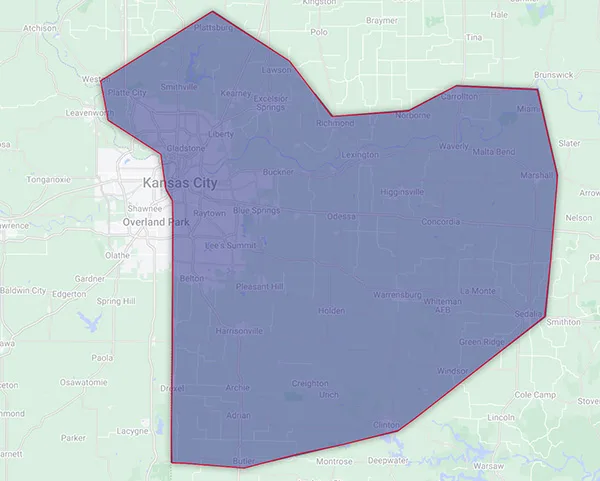
Kansas City property damage doesn’t respect the state line, and neither do we. From offices in Lenexa and Lawrence — plus Blue Springs on the Missouri side — EMS runs 24/7 emergency water mitigation, fire and smoke cleanup and mold remediation across the metro: Missouri and Kansas sides, downtown lofts to Northland subdivisions, hundred-year-old brick foursquares to new commercial parks. One call, (913) 773-6777, puts a crew and equipment in motion.
A metro of old bones and new basements
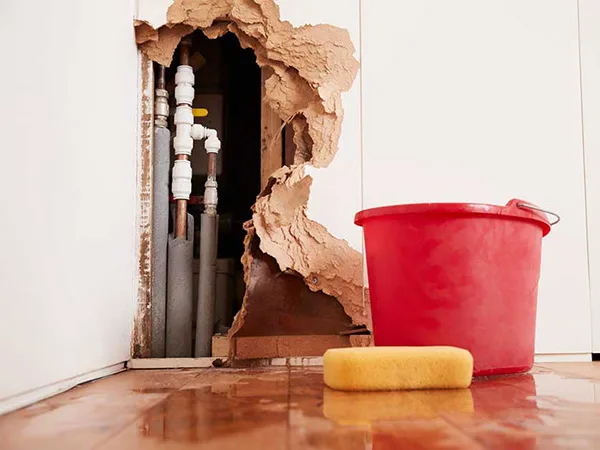
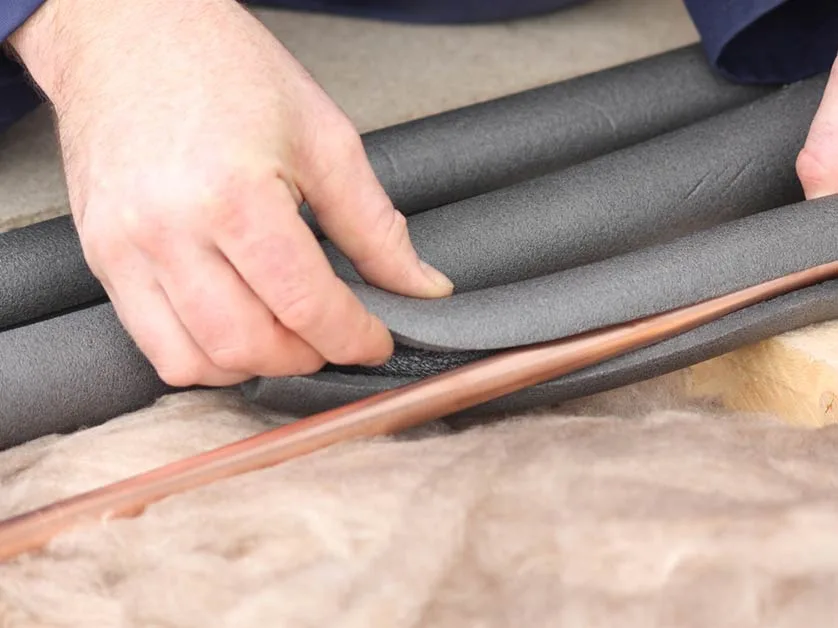
Kansas City’s building stock spans 150 years, and each era fails its own way. Pre-war homes in the urban core carry stone foundations, clay sewer laterals, and galvanized plumbing at the end of its life. Post-war ring suburbs add finished basements below the water table’s spring moods. New construction brings sump pumps that fail exactly when the radar turns red. And every one of them shares KC’s freeze-thaw winters — the frozen-pipe season that produces more catastrophic water losses here than any storm.
Water mitigation: the clock is the cost
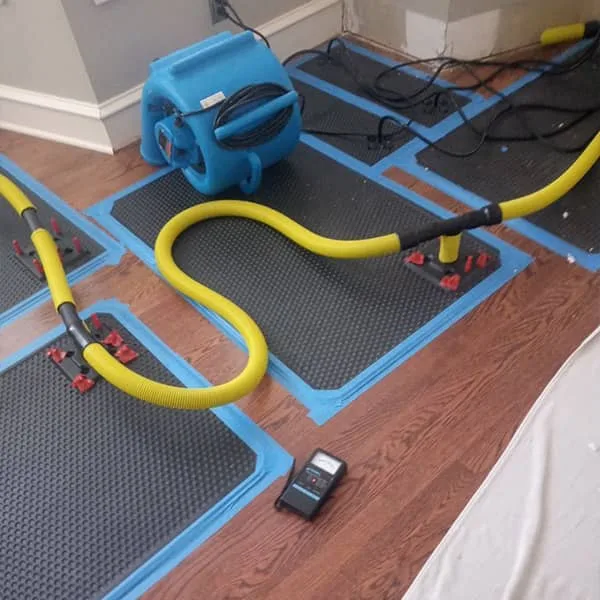
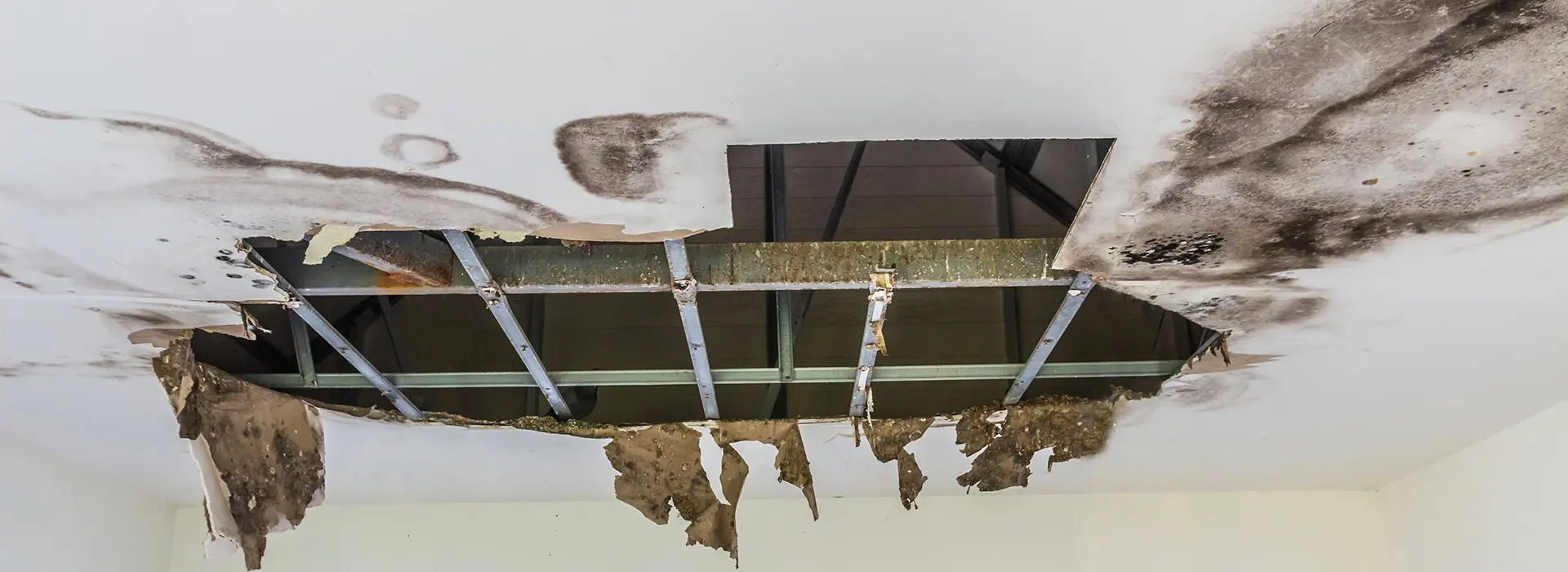
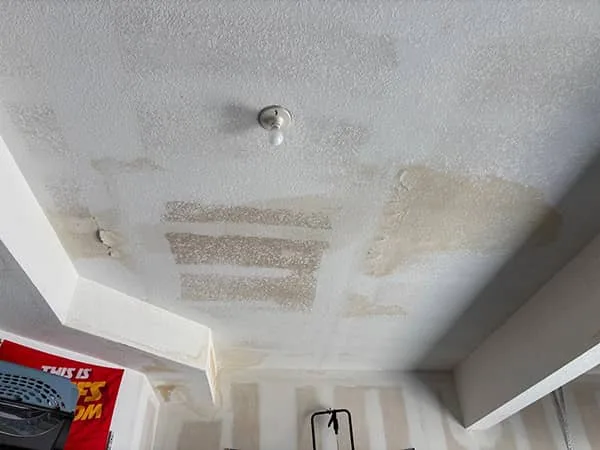
Water migrates, wicks, and feeds mold within 24 to 48 hours. Our crews extract standing water and sewage, set industrial air movers and dehumidifiers, sanitize with certified treatments, and monitor daily until materials hit a verified dry standard. Thermal imaging and moisture meters find what’s hiding in walls, under floors, and above ceilings — because the water you can’t see is the water that ends up costing the most.
Rising water is Category 3 by definition, and the category sets the scope. In June 2026 a creek rose behind an apartment community here and put flood water through four units, two entryways, two laundry rooms and a basement across five buildings. Nine drying chambers, roughly 65 air movers, Tramex moisture mapping, every chamber at standard in eleven days, and residents’ belongings protected in place — a multi-building flood mitigation in Kansas City. Why the category sets the scope.
Residential water mitigation for homes. Commercial water mitigation for offices, retail, healthcare, industrial and multi-family.
Fire and smoke across the metro
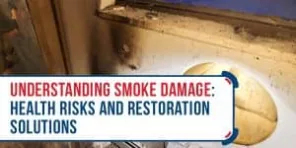
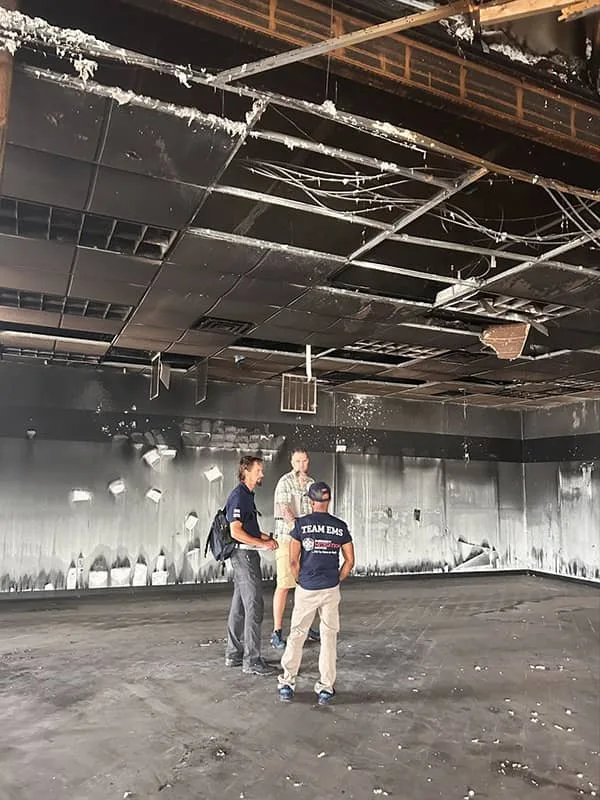
After the fire department leaves, two problems remain: the water they used and the smoke the fire spread. EMS stabilizes the property, mitigates the water damage immediately, and cleans soot and smoke from every surface that can be saved. How much is salvageable depends on the fire — but smoke cleanup done right, done early, routinely rescues rooms that would otherwise be gutted.
Mold remediation with verification
Humid summers plus damp basements make mold a year-round Kansas City reality. We remediate under containment — negative air pressure, removal, HEPA cleaning — and use a third-party testing company for clearance so the result is proven, not promised.
The mitigation-only advantage
EMS doesn’t rebuild, and that’s deliberate. We stop the damage, dry and clean the structure, and hand your restoration contractor a documented, stabilized property with the smallest possible scope of work. No rebuild revenue means no reason to let the rebuild grow — which is exactly what you want from the first company on site. How the phases fit: Mitigation vs. Restoration.
Commercial and residential, both sides of the line
Our commercial teams handle offices, retail, healthcare, industrial and multi-family losses at scale, scheduling around your operations. Our residential crews bring the same equipment and urgency to your home. The Missouri side — Jackson County — and Kansas City, KS and Wyandotte County are both covered. See all service areas.
Emergency Mitigation Services is an IICRC Certified Firm, #59937490. Verify in the IICRC Global Locator — search ZIP 66215.
Frequently asked questions
Which office responds to Kansas City?
Whichever is closest. Johnson County and the Kansas side dispatch from Lenexa; the Missouri side dispatches from Blue Springs; Lawrence covers the west. One number reaches all of them: (913) 773-6777.
What is water mitigation?
The emergency phase of a water loss: extraction, structural drying, removal of materials that cannot be dried, and documentation. Restoration is the rebuild that follows. EMS does only mitigation.
Is flood water treated differently from a burst pipe?
Yes. Rising flood water is Category 3 — grossly contaminated — so porous materials that touched it are removed rather than dried, and surfaces are treated with antimicrobial. A clean supply-line break is Category 1 and can often be dried in place.
Wherever you are in the metro, call (913) 773-6777 — 24 hours a day, every day of the year.